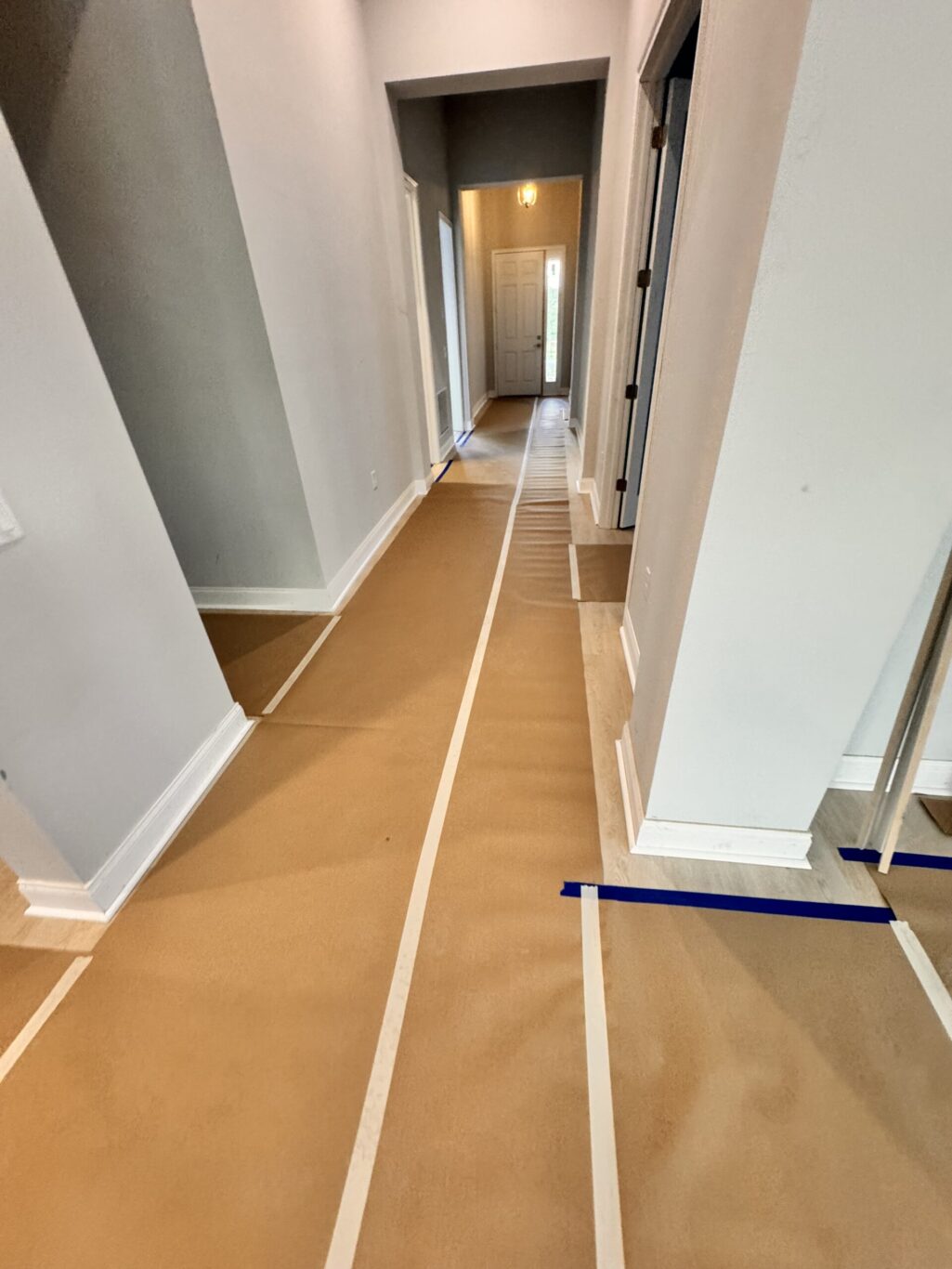
Installing beautiful porcelain flooring is a significant investment in any construction project, transforming spaces with its durability, elegance, and low-maintenance appeal. However, the work doesn’t end once the tiles are laid. On bustling construction sites in North Florida—where high humidity, frequent rain, and sandy soils can pose unique challenges—proper floor protection is crucial to preserve your new installation from damage. At Legacy Interior Services, we specialize in safeguarding these surfaces to ensure they remain pristine until handover. In this guide, we’ll explore why protection matters, the best practices tailored to our region’s conditions, and step-by-step tips to implement it effectively.
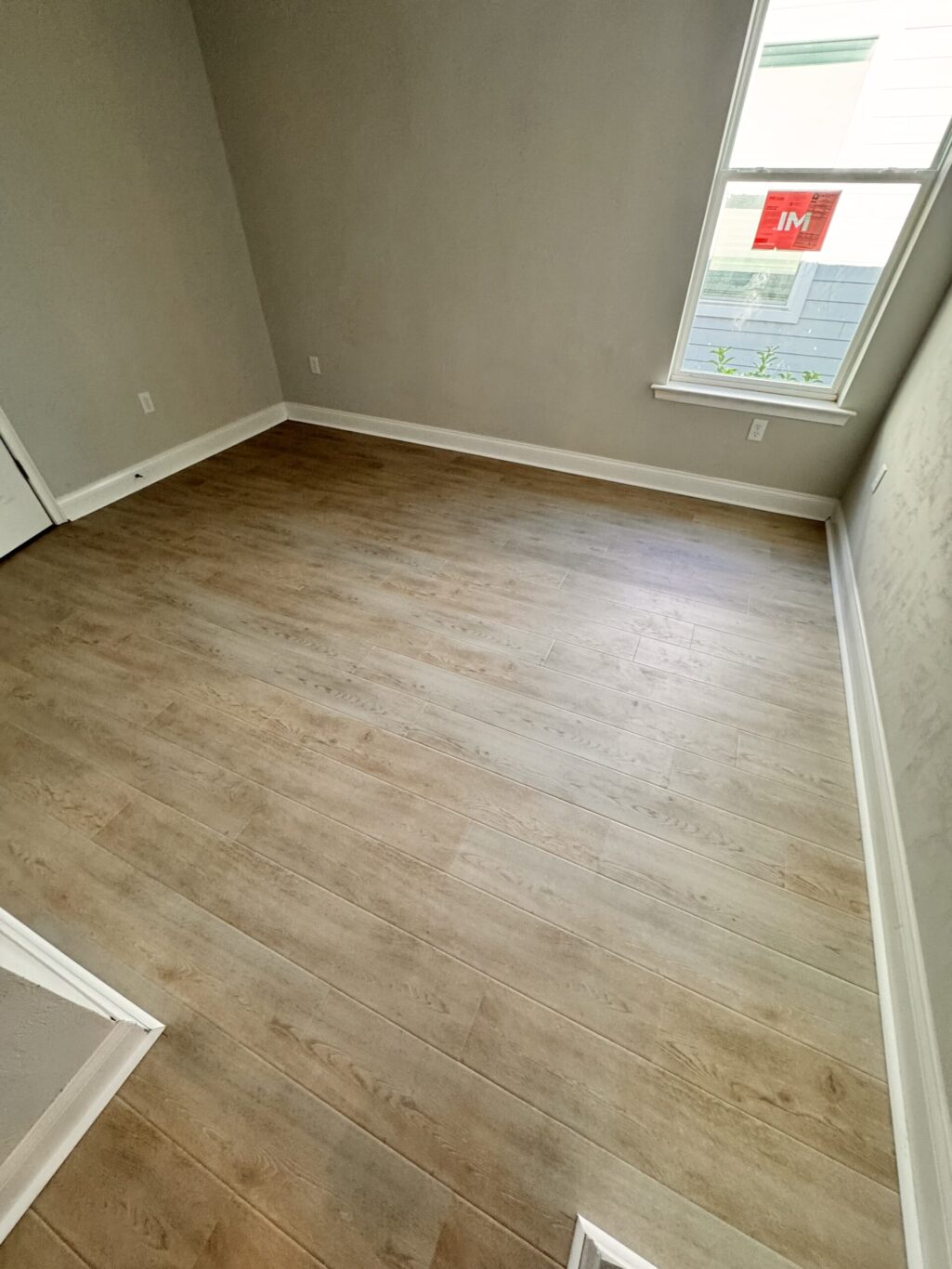
Why Floor Protection is Vital After Porcelain InstallationPorcelain tiles are renowned for their resistance to water and wear, but they’re not invincible during the construction phase. Freshly installed floors are vulnerable to scratches, chips, stains, and grout damage from ongoing work. In North Florida, environmental factors amplify these risks:
- Humidity and Moisture: Our subtropical climate can cause condensation or water intrusion, leading to grout weakening or mold growth if not addressed.
- Dust and Debris: Sandy soils and construction dust from sites in areas like Jacksonville, Tallahassee, or Gainesville can embed into grout lines or scratch surfaces.
- Heavy Traffic: Workers, tools, and equipment moving across the site can cause unintended impacts, especially in humid conditions where materials might shift slightly during curing.
Without adequate protection, repairs can be costly and time-consuming, delaying project timelines and increasing expenses. Studies from the flooring industry indicate that unprotected new installations can suffer up to 30% more damage in high-traffic construction environments, underscoring the need for proactive measures.
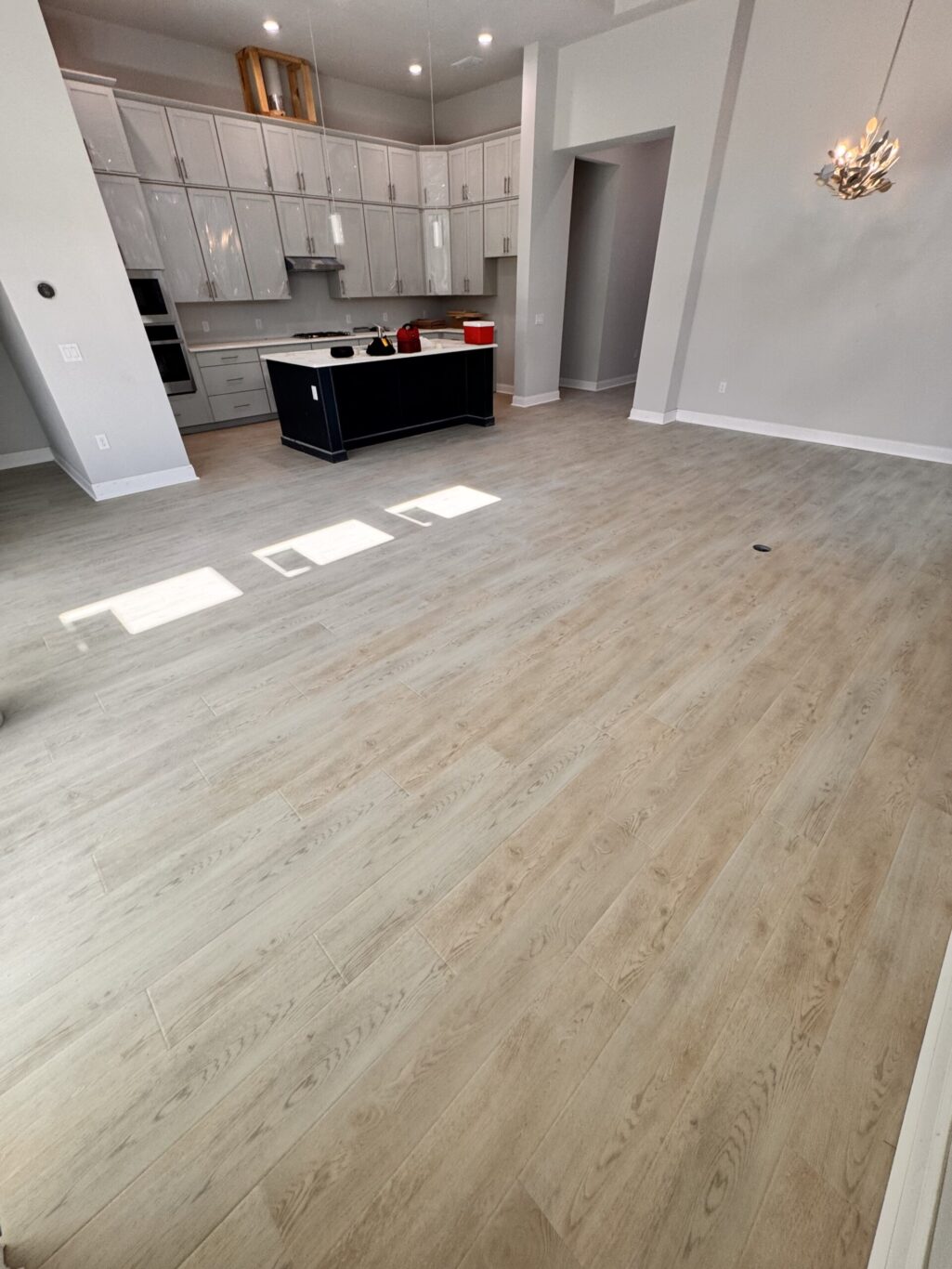
Choosing the Right Protection Materials for North Florida SitesSelecting appropriate materials is key to effective protection. Here’s what we recommend based on our experience with local projects:
- Breathable Surface Protectors: Opt for ram board or similar heavy-duty cardboard rolls. These allow moisture to escape, preventing trapped humidity—a common issue in Florida’s damp weather—while providing a sturdy barrier against foot traffic and debris.
- Plastic Sheeting with Ventilation: For short-term coverage, use polyethylene sheets taped at the edges, but ensure ventilation holes to avoid condensation buildup. Avoid fully sealing in high-humidity areas to prevent sweating under the cover.
- Corrugated Plastic or Foam Padding: Ideal for heavier loads, these offer cushioning against dropped tools. In coastal North Florida regions prone to salt air, choose corrosion-resistant options to avoid residue transfer.
- Adhesive Tapes and Edges: Use low-tack painter’s tape to secure protectors without leaving residue on porcelain, which can be sensitive to adhesives in warm, humid conditions.
Always prioritize eco-friendly, recyclable materials to align with sustainable building practices increasingly favored in Florida’s green construction initiatives.
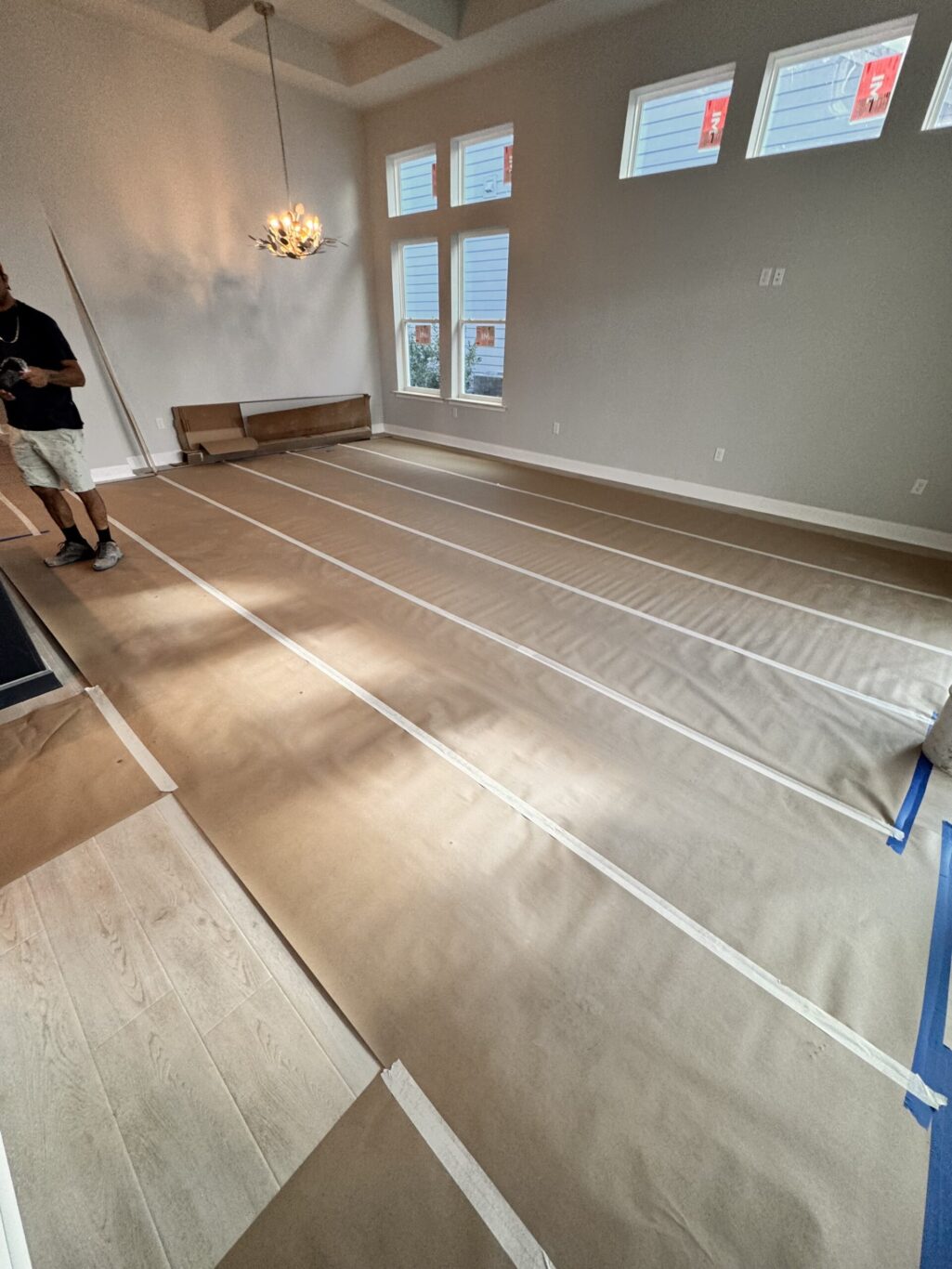
Step-by-Step Guide to Installing Floor ProtectionFollow these steps to protect your new porcelain floors effectively:
- Prepare the Surface: Wait at least 24-48 hours after installation for grout to cure (longer in humid weather—up to 72 hours in summer). Sweep away any loose debris to ensure a clean base.
- Measure and Cut Materials: Assess the area and cut protection materials to fit, overlapping seams by 2-4 inches for full coverage. In larger North Florida sites, account for doorways and high-traffic zones with extra reinforcement.
- Apply the Protection: Roll out the material starting from one end, securing edges with tape. For breathable options, avoid taping over seams to allow air flow. In rainy seasons, elevate heavy equipment on padded blocks to distribute weight.
- Monitor and Maintain: Regularly inspect for tears or shifts, especially after storms common in our region. Replace damaged sections promptly to maintain integrity.
- Remove Carefully: At project end, peel back slowly to avoid pulling up grout. Clean the floor with a pH-neutral solution suitable for porcelain.
By following these steps, you can extend the life of your flooring and avoid common pitfalls seen on North Florida sites.Common Mistakes to Avoid
- Skipping protection in “low-traffic” areas—dust travels everywhere.
- Using non-breathable covers in humid climates, leading to moisture traps.
- Overloading unprotected zones with equipment, causing cracks.
At Legacy Interior Services, we’ve seen firsthand how proper protection can save thousands in rework costs on projects across North Florida.Ready to safeguard your next porcelain flooring installation with expert care? Contact Legacy Interior Services today—our team of local specialists is committed to delivering flawless results, ensuring your project shines from start to finish. Let’s build something lasting together!